

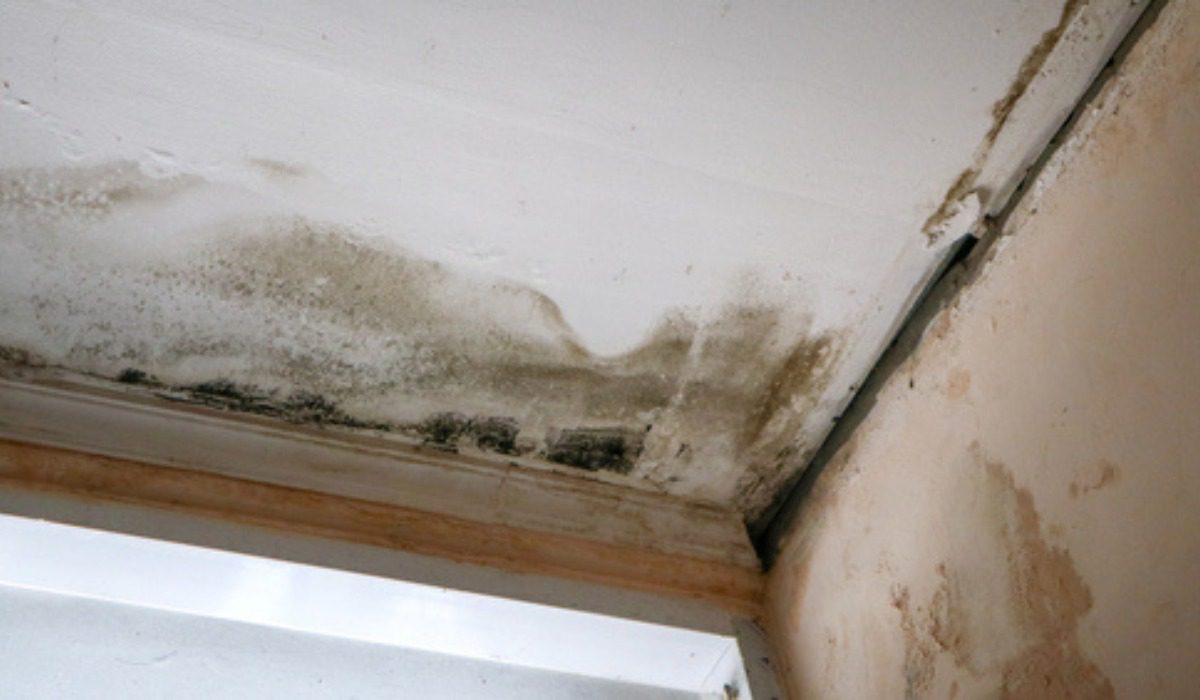
Water leakage carries within it the power to transform lives in ways both profound and intimate, seeping through the foundations of what we consider permanent and revealing the fragile nature of the structures we call home. In the margins between dry and wet, between secure and vulnerable, entire family histories are written and rewritten by forces as elemental as gravity and as complex as human neglect.
The Language of Loss
There exists a vocabulary of water damage that homeowners learn reluctantly, acquiring fluency in a dialect of disaster they never wished to speak. Words like “infiltration,” “saturation,” and “structural compromise” become part of daily conversation, each term carrying the weight of financial anxiety and displaced belonging.
In council estates across Manchester, immigrant families discover that water leakage speaks a universal language of dispossession. Mrs. Chen, who moved her three children from Kuala Lumpur to a cramped terrace house, watches brown stains bloom across her living room ceiling like some malevolent garden. The landlord’s promises of repair stretch into months whilst mould colonises the corners where her youngest daughter plays.
The geography of water damage maps onto existing inequalities with devastating precision. Working-class neighbourhoods suffer disproportionately from infrastructure failures, whilst wealthy postcodes enjoy rapid remediation and comprehensive insurance coverage. Water finds the path of least resistance, both physically and socially.
The Archaeology of Neglect
Beneath every instance of water leakage lies a stratigraphy of decisions—or the absence of decisions—that accumulate over time like sedimentary layers in the earth. Building standards deferred, maintenance schedules ignored, and cost-cutting measures that prioritise short-term savings over long-term habitability.
The forensic examination of water damage reveals:
- Construction shortcuts taken during initial building phases
- Material degradation accelerated by environmental stresses
- Drainage inadequacies overwhelmed by changing climate patterns
- Maintenance deferrals compounding minor issues into major failures
- Regulatory gaps that allow substandard practices to persist
Each layer tells a story of institutions failing the people they were designed to serve. The plumber who cuts corners to meet an impossible deadline. The housing association that stretches maintenance budgets beyond breaking point. The planning committee that approves developments without adequate infrastructure investment.
The Intimate Architecture of Disruption
Water leakage transforms the most private spaces into public dramas:
- Family photographs curl and yellow from moisture exposure
- Children’s artwork dissolves into abstract smears of colour
- Persistent damp odours mark territory no longer fully belonging to inhabitants
- Emotional labour falls disproportionately on women coordinating repairs
- Unwilling expertise develops as families learn building pathology through experience
Climate Change and the New Vulnerabilities
Rising temperatures and shifting precipitation patterns are rewriting the rules of water management across the globe. Buildings designed for historical weather patterns now face unprecedented challenges from extreme events and changing seasonal rhythms.
Singapore’s experience offers crucial insights into managing water leakage in a warming world. The island nation’s comprehensive approach to water security includes sophisticated building standards that account for tropical conditions and extreme weather resilience.
A senior water management engineer in Singapore observes: “Water leakage prevention in tropical climates requires understanding that moisture is not just an external threat—it’s an environmental constant that buildings must accommodate rather than simply resist. Our design philosophy centres on managing moisture flow rather than attempting complete exclusion.”
This perspective challenges conventional approaches that treat water as an enemy to be defeated rather than a natural force to be managed intelligently. As climate change intensifies, this wisdom becomes increasingly relevant for temperate regions experiencing more volatile weather patterns.
The Economics of Extraction
The water damage restoration industry operates within a landscape of desperation, where families have little negotiating power. Insurance systems compound inequalities through complex exclusions distinguishing between “sudden” and “gradual” damage.
Typical water leakage costs in the UK include:
- Emergency response and assessment: £400-£800 for initial professional evaluation
- Minor repair interventions: £800-£2,500 for localised leak fixes
- Comprehensive restoration: £5,000-£15,000 for extensive water damage
- Secondary damage remediation: £3,000-£10,000 for mould and structural repair
- Temporary accommodation: £150-£300 daily during major restoration work
These represent devastating expenses for working families, forcing impossible choices between repairs and essential needs.
The Poetry of Resilience
Within water leakage stories emerges a parallel narrative of adaptation and resistance:
- Community knowledge networks share early warning signs and landlord negotiation tactics
- Children’s creativity develops bucket-placement strategies like urban planners
- Mutual aid collectives form in neighbourhoods like Birmingham’s Handsworth district
- Tool lending libraries provide dehumidifiers and moisture metres
- Individual crises transform into opportunities for community solidarity
Writing New Stories
The challenge of water leakage extends beyond technical solutions to encompass questions of justice, dignity, and belonging. Effective responses must acknowledge the human dimensions of water damage whilst addressing the systemic failures that create vulnerability in the first place.
Professional remediation remains essential, but it must be accompanied by policy changes that prevent damage before it occurs. Building standards must evolve to meet climate realities. Insurance systems must provide meaningful protection rather than profitable exclusions. Housing policy must prioritise habitability over profit margins.
The stories written by water damage need not end in loss and displacement. Through collective action, regulatory reform, and innovative design approaches, communities can author different narratives—ones where water serves life rather than threatening it, where homes provide genuine security rather than false promises of permanence.
In the spaces where water meets wall, where private meets public, where individual meets community, new possibilities emerge for understanding and addressing the challenges of water leakage.
