

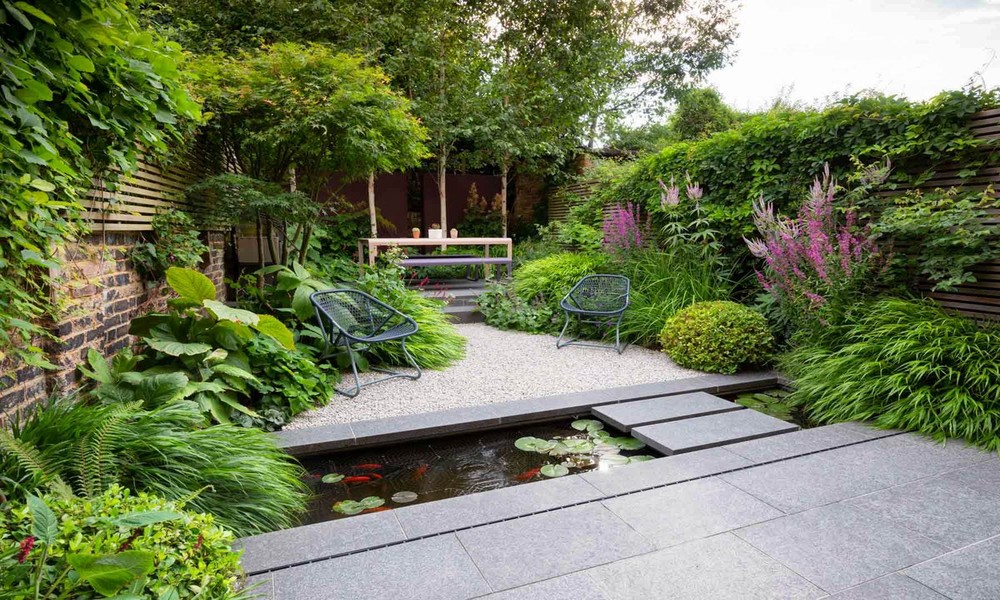
A garden can look tidy and still feel difficult to use. I see this all the time across York. The patio is clean, the lawn is cut, and the planting is neat, but the space still feels exposed, overlooked, or unfinished. In many cases, the missing piece is the boundary. More homeowners are now searching for fencing companies near me because they want their gardens to work better, not just look better. Many start by looking through York Fencing to understand how a well-planned fence can change the feel of an outdoor space almost immediately.
After decades working as a fencing contractor, I can say that the most useful garden upgrade is often not the most expensive one. It is not always a new patio, garden room, or planting scheme. Sometimes, the biggest difference comes from improving the fence line. A stronger, straighter, more private boundary can make the whole garden feel more comfortable, practical, and ready to use.
Why boundaries shape how a garden feels
A fence does more than mark the edge of a property. It frames the whole garden. If the fence is low, patchy, leaning, or full of gaps, the space feels exposed. If it is straight, consistent, and well suited to the garden, the space feels settled.
One thing I see often on local jobs is homeowners putting up with a garden they barely use because it does not feel private enough. They may not realise the fence is the issue at first. They talk about changing the patio or adding furniture, but when we walk the boundary, the problem becomes clear.
A usable garden needs a sense of enclosure. Not a boxed-in feeling, but enough privacy and structure to make people want to spend time there.
Privacy is the upgrade people feel straight away
Privacy changes how a garden is used. Once people feel screened from neighbouring windows or nearby paths, they relax.
That is why fence upgrades often make such an instant difference. A patio that once felt exposed becomes somewhere to sit. A lawn becomes more suitable for children. A small garden feels more like an outdoor room.
Homeowners searching for fencing near me often describe the same feeling. They want the garden to feel like theirs again.
Why height is not the only answer
Many people assume privacy means a taller fence. Sometimes it does. But height alone is not always the best solution.
Sight lines matter more. Where do neighbours overlook from? Where do you sit? Where is the gap that actually bothers you?
In some gardens, a targeted screen near the seating area works better than raising every boundary. In others, replacing uneven panels with a consistent run creates the privacy needed without adding extra height.
Experience helps here. A good fencing contractor looks at how the garden is used before recommending a solution.
How York’s clay soil affects usable garden space
York’s clay soil has a real impact on fencing. It holds water in winter and shrinks when dry. Over time, that movement affects posts.
I usually install posts at around 600mm to 750mm depth, sometimes deeper in softer or more exposed areas. Older fences are often much shallower.
When posts move, panels shift. Gaps open. The fence starts to lean. The garden may still be usable in theory, but it does not feel cared for or comfortable.
A fence upgrade that accounts for soil movement restores confidence in the space.
Why straight fence lines make gardens feel calmer
Straight lines matter. A level fence line makes a garden feel organised.
When a fence dips, leans, or waves along the boundary, the whole garden feels unsettled. Even if the rest of the space is well maintained, the eye goes straight to the movement.
I have seen gardens transformed simply by replacing a tired, uneven fence with a clean, straight run. Nothing else changed. The garden immediately felt larger and more usable.
That visual order is one of the main reasons homeowners invest in better fencing.
The role of fence design in outdoor living
Outdoor living has changed what people expect from their gardens. They want spaces for eating, working, relaxing, and entertaining.
The fence needs to support those uses.
Closeboard fencing gives strong privacy and a solid backdrop. Slatted fencing offers a more modern look and allows some airflow. Hit and miss fencing can work well in exposed areas because it balances privacy with wind resistance.
Different gardens need different answers. The best fence upgrade is the one that fits how the space is actually used.
Why old repairs can make a garden feel unfinished
Repairs are sometimes the right choice. But too many repairs can make a boundary look tired.
New timber next to old timber. Mixed panel styles. Posts of different ages. Brackets added over time.
These details may seem small, but they affect the feel of the garden. A patched fence makes the space feel temporary, even if it is still standing.
Homeowners often reach a point where they stop asking how to repair the fence and start asking how to make the garden feel finished.
When repairs still improve usability
Not every fence needs full replacement. If the structure is sound, targeted repairs can improve privacy and stability.
A loose post can be reset. A broken panel can be replaced. A small gap can be closed.
Homeowners weighing this up often review fence repair services in York to understand whether a repair will genuinely improve the garden or simply delay a bigger job.
The key is knowing whether the issue is isolated or part of a wider decline.
How composite fencing changes the feel of a garden
Composite fencing has become more popular because it offers consistency. It does not warp like lower-grade timber. It keeps a clean appearance with little maintenance.
Composite fencing cost is higher upfront, but many homeowners see the value when they want a garden that stays tidy without constant attention.
For outdoor spaces used regularly, that consistency matters. People do not want to keep treating, repairing, or adjusting panels every year.
Composite works especially well where a garden is designed around clean lines and low maintenance living.
Why concrete posts make outdoor spaces feel more secure
Concrete posts are not glamorous, but they are effective.
They do not rot at ground level. They resist movement better than timber in wet soil. They support panels strongly through changing seasons.
For homeowners who want a garden that feels dependable, concrete posts are often part of the answer.
A fence that rattles in the wind makes a garden feel exposed. A fence held firm by solid posts feels safer and more settled.
The connection between fencing and seating areas
Seating areas reveal fence problems quickly.
If you sit near a boundary, you notice gaps, leaning panels, and sight lines. You hear rattling in the wind. You see mismatched repairs up close.
This is why many fence upgrades start around patios. Homeowners want the area they use most to feel private and complete.
Sometimes one boundary run makes all the difference.
Why garden offices have changed fencing priorities
Garden offices have made boundary privacy more important. When someone works outside during the day, they become more aware of overlooking, noise, and movement nearby.
A fence that was acceptable for occasional weekend use may not work for daily working.
Homeowners now think about fencing as part of home working comfort. They want screening that makes the garden feel professional, calm, and usable.
The importance of airflow in usable gardens
A usable garden is not just private. It should also feel comfortable.
Solid fencing can block wind, but it can also trap air and make some spaces feel still. In exposed areas, solid panels can take too much wind pressure.
Slatted and hit and miss designs allow airflow while still creating screening. This can make seating areas more pleasant and reduce stress on the fence.
Good design balances privacy, light, and wind.
Why fencing should be planned before landscaping
Many homeowners start with paving or planting and leave the fence until later. In my experience, it often works better the other way round.
The boundary sets the frame. Once the fence is right, patios, beds, and seating areas can be planned properly.
If the fence is replaced after landscaping, access can be harder and more disruptive.
Homeowners exploring garden fencing options in York often benefit from thinking about the boundary before spending heavily elsewhere.
How drainage affects garden usability
Drainage along the fence line can affect the whole garden.
If water sits near posts, the ground stays soft. Panels move. Moss forms. The area near the boundary becomes untidy and difficult to maintain.
Good installation considers drainage from the start. A gravel layer beneath posts, correct ground levels, and raised gravel boards all help.
A dry, stable boundary makes the garden easier to use and maintain.
Why outdoor spaces feel bigger with the right fence
A well-chosen fence can make a garden feel larger.
It sounds odd, but it happens because the boundary becomes cleaner and less distracting. Straight lines create order. Consistent panels reduce visual clutter. Lighter designs can let more light through.
Small gardens especially benefit from this. A tired fence makes a compact space feel cramped. A neat fence makes it feel planned.
The role of colour and finish
Colour also affects usability. Dark fences can make planting stand out and create depth. Natural timber can soften the space. Composite colours can support a modern design.
The right finish helps the garden feel intentional.
This does not need to be complicated. The fence simply needs to suit the house, planting, and layout.
Why homeowners are investing before summer
Spring and early summer are busy times for fence upgrades because people start using their gardens more.
The issues they ignored through winter become obvious. Lack of privacy, movement, and poor appearance suddenly matter.
Planning ahead means the garden is ready when it is needed most.
How to decide whether your fence is holding the garden back
A simple way to judge your fence is to sit where you normally sit in the garden and look around.
Does the space feel private? Is the fence line straight? Are there gaps? Do panels rattle in wind? Does the boundary match the rest of the garden?
If the fence draws your attention for the wrong reasons, it may be holding the whole space back.
Why the right fence upgrade changes daily use
From decades working across York, I have seen how much difference a good fence makes. It is not just about replacing panels. It is about making the garden feel usable.
A well-planned fence improves privacy, supports outdoor living, reduces maintenance, and gives the space a proper frame.
When the boundary feels right, the garden gets used more. That is the real value of the upgrade.
