

Category to be published: https://homeylyfe.com/category/real-estate/
Kensington has long been the crown jewel of the London property market, a place where history, prestige, and architecture converge to create one of the most desirable postcodes on the planet. For the seasoned investor, the Royal Borough represents more than just a collection of white stucco terraces and leafy squares; it is a fortress for capital. While other areas of the capital might see fleeting spikes in popularity, Kensington maintains a steady, rhythmic demand that transcends temporary economic shifts. Navigating this high-stakes environment requires local expertise, and partnering with experienced letting Agents in Kensington is often the first step for landlords looking to secure reliable, high-net-worth tenants in a competitive landscape.
The enduring appeal of the area isn’t merely down to its aesthetic charm. It is a complex ecosystem of cultural institutions, world-class education, and unparalleled transport links. For a luxury landlord, the goal is to provide a lifestyle, not just a roof over a head. Whether it is a lateral flat overlooking a private garden square or a tucked-away mews house, the property’s stock here is unique. This uniqueness creates a natural barrier to entry, ensuring that supply rarely meets the voracious demand from international diplomats, tech entrepreneurs, and corporate titans.
The Resilience of the Kensington Property Market
One of the most common questions from investors today is how the luxury sector holds up against fluctuating interest rates and shifting tax landscapes. Kensington has a habit of defying broader market trends. Historically, it has acted as a “safe haven” for both domestic and international capital. When the global economy feels shaky, investors often pull back from speculative markets and return to “blue chip” assets. Kensington property is the ultimate blue-chip asset.
Unlike emerging boroughs where value is driven by regeneration projects that may or may not come to fruition, Kensington’s value is baked into its soil. The scarcity of new-build opportunities means that existing stock retains a premium. You cannot simply build another Kensington High Street or recreate the proximity to Kensington Gardens. This physical limitation on supply is a landlord’s best friend, protecting capital values even when the wider UK market experiences a cooling period.
Capital Growth vs. Rental Yields
It is no secret that rental yields in Prime Central London (PCL) can be lower than those found in regional hubs or regeneration zones. However, focusing solely on the yield is a mistake when looking at the Royal Borough. The investment strategy here is almost always a long-term play on capital appreciation and wealth preservation.
Landlords in Kensington are usually playing a different game. They are looking for assets that will grow significantly over a decade while providing a steady stream of high-quality rental income that covers costs and provides a respectable margin. The tenants attracted to this area are often less sensitive to price hikes than they are to quality and service. They want the best, and they are willing to pay a premium for a property that is managed to an impeccable standard.
The Profile of the Modern Kensington Tenant
Understanding who is renting in Kensington is vital for any landlord looking to maximise their investment. The demographic has shifted slightly over the last few years, moving away from purely traditional finance professionals towards a more diverse mix of global talent.
High-Net-Worth Individuals (HNWIs) and Corporates
We are seeing a consistent influx of international corporate lets. Large multinational firms often look to house their executives in Kensington because of the security, the prestige, and the lifestyle. These tenants are ideal for landlords; they are reliable, the leases are often handled by corporate relocation agents, and they tend to treat the property with a high degree of respect.
The “Bank of Mum and Dad” and International Students
Proximity to institutions like Imperial College London and the Royal College of Music means there is a perennial demand from the children of wealthy international families. These tenants often require high-end apartments with 24-hour security and concierge services. For a landlord, this segment offers a very predictable rental cycle, often aligned with the academic year, but with the financial backing of ultra-high-net-worth parents.
The Shift Toward Managed Excellence
Modern tenants in the luxury sector are more demanding than ever. They expect “hotel-style” to live. This means that landlords cannot afford to be hands-off or reactive. To maintain the value of the investment, professional management is non-negotiable. Using reputable letting agents in Kensington ensures that maintenance issues are handled before they escalate and that the property remains compliant with the ever-changing landscape of UK rental legislation.
Architecture and the Luxury Standard
What defines a “luxury” rental in Kensington? It isn’t just about a designer’s kitchen or a marble bathroom. It’s about the soul of the building. The Royal Borough is famous for its Victorian and Edwardian architecture, but many of these historic shells have been gutted and reimagined with cutting-edge technology.
The Mews House Appeal
Mews houses, originally built as carriage houses for the grand mansions nearby, are now some of the most sought-after rental properties. They offer privacy, a lack of “neighbours above,” and a sense of quietude that is rare in a global city. For a landlord, a well-refurbished mews house can command an extraordinary rent-per-square-foot.
Lateral Living
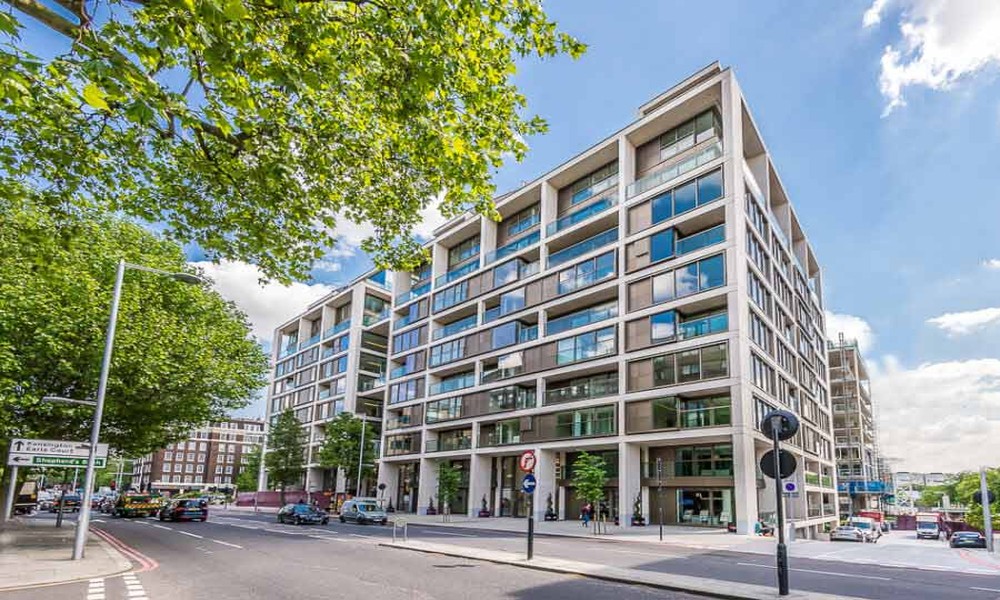
There is also a significant trend toward lateral living. High-net-worth tenants often prefer the security and ease of a single-floor apartment over a four-storey townhouse. Properties that offer wide, open living spaces with high ceilings and original features-combined with modern amenities like air conditioning and integrated home automation-are the ones that see the lowest void periods.
Navigating the Legal and Regulatory Landscape
Investing in UK property has become more complex from a legal standpoint. From the abolition of Section 21 to the increasing requirements for Energy Performance Certificates (EPCs), landlords have a lot to keep track of. In a high-value area like Kensington, the stakes of non-compliance are even higher.
The government’s focus on energy efficiency is a particular challenge for older, listed buildings. Upgrading a Grade II listed property to meet modern EPC standards requires a delicate touch and a deep understanding of local planning laws. Investors need to factor these potential costs into their initial calculations. This is where the advice of professional letting agents in Kensington becomes invaluable. They can provide a roadmap for necessary upgrades that satisfy both the law and the aesthetic requirements of the borough’s conservation officers.
Why the Future Looks Bright for Kensington Landlords
Looking ahead, the outlook for Kensington remains robust. While political cycles come and go, and tax regimes may shift, the fundamental drivers of the Kensington market remain unchanged. London continues to be a global magnet for talent, culture, and finance. If the city remains a global hub, Kensington will remain its most prestigious residential enclave.
The recent trend of “return to the office” has also bolstered the local rental market. While remote work is here to stay in some capacity, the social and professional “gravity” of London has pulled people back toward the centre. People want to be where the action is, but they want to go home to a place that feels like a sanctuary. Kensington provides that balance perfectly.
Furthermore, the currency play remains attractive for international investors. Compared to historical highs, the pound still offers a relative discount for those buying in dollars or other pegged currencies, making the entry point into the Kensington market more palatable for overseas landlords.
Final Thoughts for Prospective Investors
Kensington is not a market for those looking for a “quick flip.” It is a market for those who value stability, prestige, and long-term wealth generation. The barriers to entry are high, and the regulations are stringent, but the rewards are equally significant.
Success in this area is built on two pillars: selecting the right property and ensuring it is managed by experts who understand the nuances of the local area. By focusing on quality, staying ahead of legislative changes, and tapping into the local knowledge of established letting agents in Kensington, luxury landlords can ensure their investment remains a cornerstone of their portfolio for decades to come. The Royal Borough isn’t just a place to own property; it’s a place to own a piece of London’s future.
