

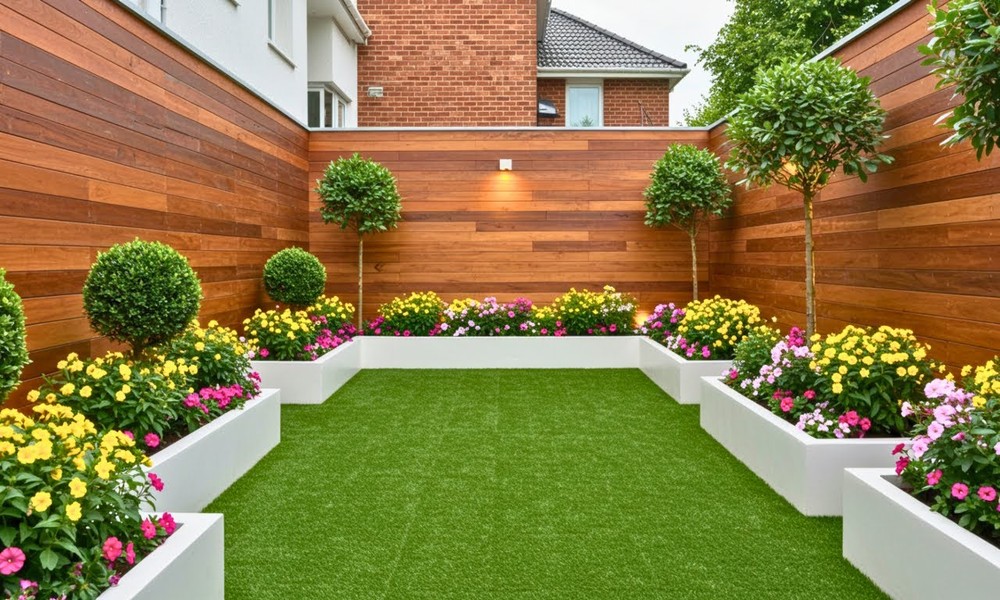
A few years ago, most fencing jobs in Leeds followed the same pattern.
Boundary replacement. Storm damage. Rotten posts. Maybe a neighbour dispute over whose side the panels faced.
Now the conversation is completely different.
People talk about outdoor kitchens. Covered seating areas. Garden bars. Privacy screening. Composite slatted sections around hot tubs. Lighting. Acoustic reduction. Matching fencing colours with interior flooring.
Gardens have stopped being simple outdoor spaces.
They’ve become extensions of the house.
That shift has completely changed modern fence installation work across Yorkshire. Homeowners who once searched for quick repairs or cheap panels are now thinking far more carefully about how fencing fits into the overall feel of the garden.
I’ve worked in fencing long enough to remember when most people just wanted something solid and affordable that kept the dog in and marked the boundary line. Appearance mattered, but longevity and price usually came first.
These days, aesthetics sit much higher up the priority list.
You can see it immediately on site visits.
People walk you around the garden discussing where sunlight lands in the evening. They talk about privacy from upstairs windows. They mention outdoor heaters, pergolas, paving colours and where they plan to sit after work with a drink.
Fencing has become part of the lifestyle side of the garden rather than just the practical side.
That has created some genuinely excellent design ideas.
It’s also created some terrible fencing decisions.
Leeds Gardens Are Being Used Properly Again
One thing I’ve noticed over the past five years is how much more people actually use their gardens now.
That sounds obvious, but it wasn’t always the case.
For years, loads of gardens across Leeds were basically lawns with a few borders and a rotary washing line in the middle. Functional spaces. Nothing wrong with that, but fencing rarely became a major design consideration because people weren’t spending huge amounts of time outside.
Now people actively invest in outdoor living.
Garden offices exploded in popularity. Outdoor dining stayed popular after lockdowns. Families started treating gardens as additional living space during warmer months. Even smaller terraces now often include seating zones, decorative screens and carefully planned layouts.
The fence suddenly became the backdrop to everything.
That changes buying behaviour massively.
A tired old lap panel might technically still work perfectly well, but if someone has spent thousands on porcelain paving and contemporary planting, they no longer want fencing that looks dated behind it.
That’s one reason more homeowners are searching for fence panels near me services earlier than they once would have.
The fencing no longer just needs to survive.
It needs to look right.
Slatted Fencing Keeps Appearing Everywhere
Without doubt, slatted fencing has become one of the biggest changes in domestic fencing design.
Some of it looks fantastic.
Some of it absolutely doesn’t.
That’s the honest truth.
Done properly, slatted systems soften the garden visually while still creating privacy. They allow airflow. They work well with modern landscaping. They photograph well for social media. They make relatively small gardens feel wider because the horizontal lines pull the eye across the space.
But there’s a major difference between slatted fencing installed by someone experienced and slatted fencing thrown together cheaply.
Spacing matters.
Timber choice matters.
Post positioning matters.
Wind exposure matters a lot more than most homeowners realise.
One thing I see often on local jobs is decorative slatted fencing installed in completely exposed gardens without enough structural support behind it. It may look clean and modern for the first few months, but once winter weather arrives the movement starts appearing quickly.
Horizontal systems catch wind differently.
You cannot treat them like ordinary closeboard fencing.
This is where experienced fencing contractors earn their money. The technical side underneath the visual design matters more than the homeowner usually sees.
Privacy Has Become A Huge Selling Point
Many homeowners in Leeds ask me for taller fencing now.
Not because they’re trying to shut neighbours out completely. More because modern housing layouts often create direct overlooking into gardens.
Some newer developments feel incredibly exposed.
You sit in the garden and can practically make eye contact with three separate upstairs bedrooms.
People want screening.
That has driven a big rise in:
- taller featheredge fencing
- decorative screening panels
- slatted privacy sections
- acoustic fencing
- mixed timber and composite systems
- planting integrated into fence lines
The interesting thing is that homeowners now care about how privacy fencing feels visually.
Years ago, tall fencing often looked heavy and defensive. Modern outdoor living trends have pushed people towards softer finishes and cleaner lines.
You’ll often see fencing mixed with planting now rather than acting as one solid wall.
Personally, I think that usually works better.
Solid uninterrupted fencing can make smaller gardens feel boxed in.
Breaking sections up with planting or decorative screening softens everything.
Composite Fencing Is Growing Fast
There’s definitely more interest in composite fencing than there was even three or four years ago.
People like the cleaner appearance and reduced maintenance.
They also like the consistency.
With timber, every board behaves differently because wood naturally moves. Composite systems look more uniform, which suits modern outdoor spaces where homeowners want sharp lines and predictable finishes.
The biggest surprise for many customers is still the price.
Composite fencing cost sits significantly higher than standard timber systems once you include posts, trims and installation.
That catches some people off guard.
But honestly, I understand why some households choose it.
A lot of homeowners simply don’t want ongoing staining or replacing warped panels every few years. Busy families increasingly want low-maintenance gardens that still look tidy throughout the year.
Composite fits that lifestyle well.
That said, not every garden suits it.
Some installations can feel overly clinical if the surrounding landscaping doesn’t balance it properly. I’ve also seen cheaper composite systems fade badly after prolonged sun exposure.
There’s still no substitute for good installation.
One badly aligned composite run stands out instantly because modern materials highlight imperfections rather than hiding them.
Outdoor Kitchens And Garden Bars Are Changing Fence Layouts
This is probably one of the biggest differences compared to ten years ago.
Fencing layouts are now often designed around dedicated outdoor entertaining zones.
You’ll see fencing sections used to frame seating spaces or create sheltered areas around outdoor kitchens and bars. Pergolas get tied into fence runs. Decorative screens separate dining areas from practical storage sections.
The fencing becomes part of the architecture of the garden.
I’ve worked on jobs recently where homeowners cared more about how the fencing looked from the seating area than how it looked from the house itself.
That would have been unusual years ago.
One trend that’s become particularly popular is mixed-height fencing.
Instead of one consistent six-foot run around the whole garden, people now combine taller privacy sections with lower decorative sections to create different zones.
Done carefully, it looks excellent.
Done badly, it looks chaotic.
The trick is keeping a sense of flow through the garden while still creating separation.
That’s where experience matters.
Anybody can physically install fence panels. Understanding visual balance across an outdoor space is a different skill entirely.
Cheap Decorative Panels Often Age Poorly
This is where I’ll probably sound slightly blunt.
A lot of decorative fencing sold online looks better in product photos than it does after two Yorkshire winters.
Especially the really lightweight imported panels.
You see homeowners buy decorative systems because they look stylish online, then six months later they start searching for fencing contractor near me services after posts shift or the timber twists badly.
Weather exposure across Leeds is no joke.
Heavy rain, strong crosswinds and waterlogged ground expose weak materials quickly.
Some decorative panels simply aren’t built heavily enough for northern conditions.
That doesn’t mean decorative fencing is bad. Far from it.
It just means structure still matters more than trends.
A solid closeboard fence with thoughtful planting often outlasts more fashionable systems by years.
Lighting Has Become Part Of Fence Design
Another thing that’s changed massively is outdoor lighting.
Fencing used to sit in darkness once evening arrived.
Now homeowners integrate:
- LED strips
- post cap lighting
- wall lighting
- recessed deck lights
- uplighting around screening
- festoon lighting attached to fencing
That affects installation planning more than people realise.
You suddenly need to think about cable routes, fixing positions and future maintenance access.
One mistake I see fairly often is people attaching too much weight or tension to lightweight fencing sections.
Festoon lighting looks great until someone pulls it overly tight between posts that were never designed for that kind of strain.
Then movement starts appearing.
The best outdoor spaces usually look effortless because the structural planning happened properly before the decorative elements went in.
Garden Noise Is Becoming A Bigger Issue
This is especially noticeable on newer housing developments.
Gardens are smaller. Houses sit closer together. More people work from home.
Noise complaints between neighbours seem more common than they used to be.
That has increased interest in acoustic-style fencing and denser boundary systems.
Some homeowners now specifically ask about reducing noise from roads, neighbouring gardens or nearby footpaths.
Realistically, ordinary domestic fencing will never fully block sound.
Anyone claiming otherwise is overselling it.
But heavier closeboard systems with proper overlap and solid construction absolutely reduce noise transfer better than lightweight lap panels.
Planting also helps more than people think.
Dense greenery softens sound reflection naturally.
Some of the nicest modern gardens combine fencing with layered planting rather than relying on fencing alone.
Fence Repairs Are Becoming More Design Sensitive
Years ago, most fence repair work focused entirely on functionality.
Replace damaged panel. Replace broken post. Job done.
Now repairs often need matching finishes, aligned aesthetics and careful blending with existing landscaping.
People don’t want obvious patch repairs ruining carefully designed gardens.
That’s made repair work more complicated.
Especially with newer decorative systems where materials may change or manufacturers discontinue certain styles.
I’ve seen situations where one damaged section forced larger replacement work simply because matching materials no longer existed.
That’s another reason some homeowners now replace fencing earlier.
Consistency matters more once the garden becomes part of the living environment.
The Best Outdoor Spaces Usually Feel Relaxed
Interestingly, the nicest gardens I work in rarely look overly designed.
They feel comfortable.
The fencing supports the garden rather than dominating it.
There’s airflow. Privacy where needed. Proper proportions. Thoughtful planting. Enough strength underneath everything that the structure disappears into the background.
That balance is harder to achieve than people think.
Many homeowners in Leeds ask me what fencing style is “best” at the moment.
Honestly, the answer usually depends more on the garden itself than the latest trend.
A heavy featheredge system might suit one property perfectly while slatted contemporary fencing works brilliantly somewhere else.
The worst outcomes usually happen when people chase trends without considering practical conditions.
Exposed gardens need stronger construction.
Clay-heavy ground needs proper drainage planning.
Small gardens need fencing that doesn’t visually overpower the space.
There isn’t one perfect system for every property.
Installation Standards Matter More Than Ever
One thing that hasn’t changed despite all the new trends is the importance of proper groundwork.
Good fencing still starts below ground level.
The nicest decorative panel in the world means nothing if the posts are shallow or waterlogged.
Typical post depths around Leeds should usually sit around 600mm minimum for domestic fencing, sometimes deeper in exposed areas.
Drainage matters.
Concrete quality matters.
Post spacing matters.
Timber treatment matters.
From years working across West Yorkshire, I’d honestly say most long-term fencing problems begin during installation rather than from weather alone.
The outdoor living trend has definitely improved garden design overall. People care more about their outdoor spaces now and that’s usually a positive thing.
But gardens still need to function in real northern weather.
The best modern fencing combines appearance with practicality.
That’s the sweet spot.
Not fencing designed purely for Instagram photos.
Not purely functional panels that ignore the rest of the garden.
Just sensible, well-built systems that suit the property, survive the climate and still look good sitting behind a table full of people on a warm summer evening.
