

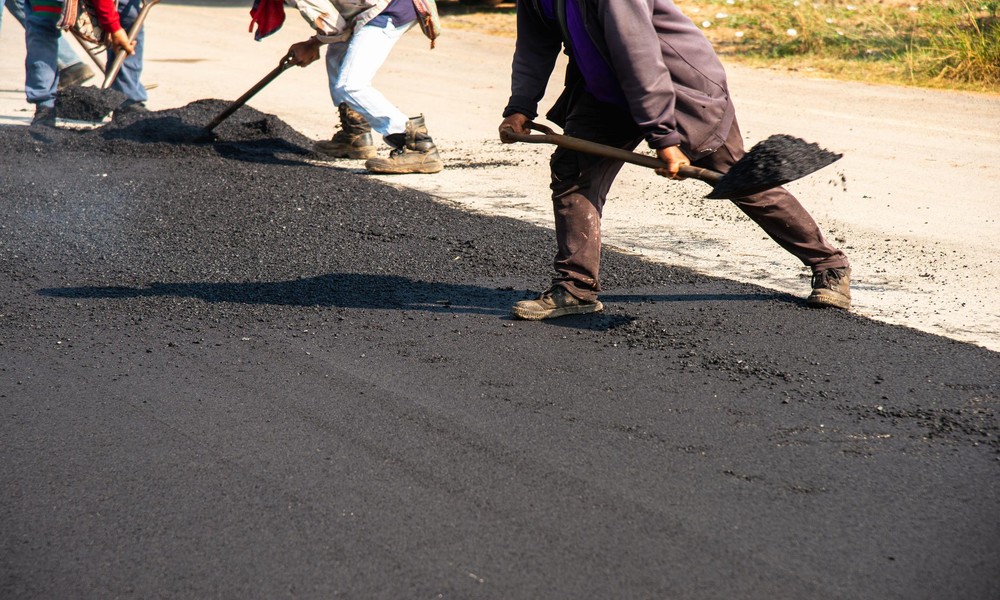
Asphalt paving is used for both homes and businesses, but the services are not the same. Residential and commercial asphalt projects differ in size, materials, and planning. Understanding these differences helps property owners choose the right contractor and get better results.
Project Size and Scope
Residential asphalt projects are usually smaller. Common jobs include driveways, walkways, and small private roads. These projects focus on curb appeal, smooth surfaces, and quick completion.
Commercial asphalt projects are much larger. They include parking lots, loading areas, roadways, and entrances. These surfaces must handle heavy traffic, delivery trucks, and constant use. Because of the size and demand, commercial jobs require more equipment and crew support.
Design and Load Requirements
Residential asphalt is designed for light vehicles like cars and small trucks. The asphalt layer is usually thinner because the load is lighter.
Commercial asphalt must support heavier vehicles and higher traffic volume. This requires thicker asphalt, stronger base preparation, and proper grading. Poor design in commercial paving can lead to cracks and potholes quickly.
Planning and Scheduling
Residential paving is often completed in one day. Scheduling is simple and flexible. Homeowners usually only need short-term access restrictions.
Commercial paving requires careful planning. Work may be done in phases to keep businesses open. Contractors must plan traffic flow, safety signs, and access points. Timing is critical to avoid disrupting customers and employees.
Drainage and Compliance
Drainage is important for all asphalt surfaces, but commercial projects face stricter requirements. Standing water can damage pavement and create safety risks. Commercial paving must follow local codes and accessibility guidelines.
Residential projects also need proper drainage, but rules are often less complex. Still, good drainage extends the life of any asphalt surface.
Maintenance Needs
Residential asphalt maintenance includes sealcoating, crack filling, and small repairs. These steps help keep driveways looking clean and smooth.
Commercial asphalt needs more frequent maintenance. High traffic causes faster wear. Regular inspections, patching, and striping are important to maintain safety and appearance.
Cost Differences
Residential paving usually costs less because of size and materials. Commercial paving costs more due to thicker layers, heavy equipment, and longer timelines. However, proper installation reduces long-term repair costs.
Choosing the Right Contractor
Not all asphalt contractors handle both residential and commercial work. Experience matters. A contractor must understand the specific needs of each type of project.
All About Concrete Paving Delivers Both Solutions
At All About Concrete Paving, we provide professional asphalt services for both residential and commercial properties. We understand the differences in design, traffic, and maintenance needs. By using the right methods for each project, we deliver durable asphalt surfaces that perform well and last longer.
This post was written by a professional at All About Concrete. At All About Concrete, paving is our specialty. Since 1970, we’ve been proudly delivering top-quality commercial and residential asphalt contractors Forth Worth, TX, and concrete paving services across the DFW Metroplex. Whether your project is large or small, we offer customized solutions to match your needs and budget. Contact us today for a free, no-obligation estimate, or visit our website to request your estimate online. We look forward to bringing your paving project to life!
