

Winter Garden is booming. In fact, new neighborhoods and luxury developments, as well as mixed-use communities, are rapidly altering the shape of the city at a speed that few imagined only five years ago. That sort of growth should be music to the ears of homebuyers and investors alike, but not so much when it has a lagging effect that goes unnoticed by most.
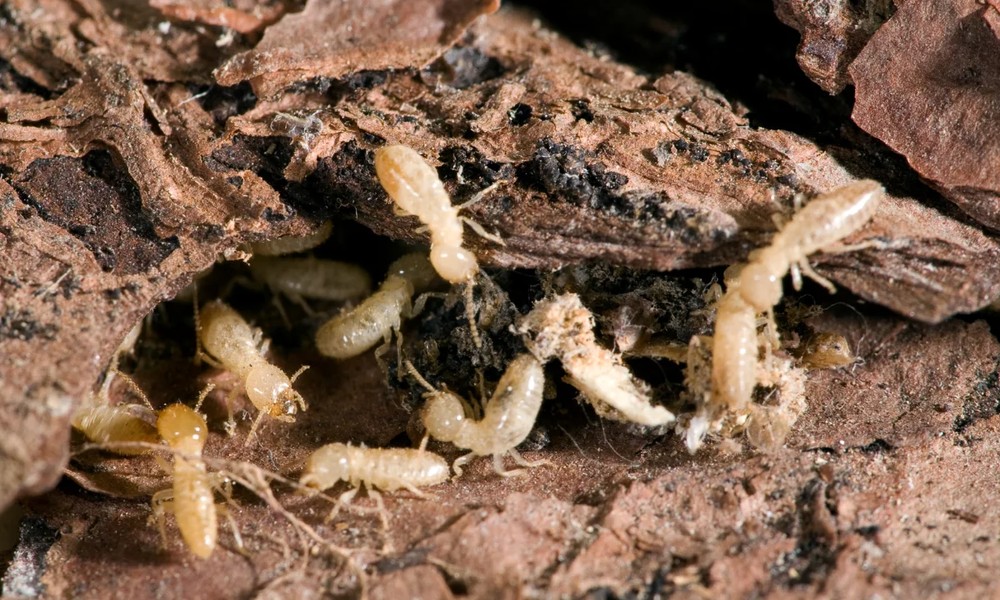
Each time an Orange County construction crew starts digging in Winter Garden, it is not only homes that are being built. They are disturbing what is already living underground – termites. Avata Pest Control has helped hundreds of homes with termite infestations, and you should not hesitate to reach out to them!
Winter Garden’s Development Boom Is Bigger Than Most Realize
Winter Garden currently has a median home price of $550,000 mid 2024 and, showcasing the high demand generated by limited supply. Winter Garden is in the midst of a building boom to address inventory shortages, with builders now constructing new single-family homes, townhouses, and luxury estates. In communities such as Horizon West, one of the fastest-growing master-planned areas in the country, and many of these are directly wedged within Winter Garden’s ever-expanding reach, with new phases rolling out regularly.
Excavation, grading, and construction are going on top of land that was formerly occupied by pre-existing colonies of termites, and those colonies do not just vanish when the bulldozers arrive.
What Actually Happens Underground When Construction Begins?
This is the part that most homeowners never learn about. Subterranean termites, by far the dominant and most damaging species in Central Florida, build expansive underground systems that extend well beyond their surface visible areas.
The soil is torn apart when construction equipment digs, grades, or compacts, and it obliterates already-built tunnel systems and nesting areas. The colony does not die. It just moves. And the closest source of food and shelter is nearly always the freshly constructed building sitting right over it.
Soil around a home that has been treated needs to be pretermite or used more if excavated for construction, according to the University of Florida Institute of Food and Agricultural Sciences – disturbance of soil will destroy the barrier.
What Displaced Termite Colonies Mean for Neighboring Homes?
Termite displacement does not remain limited to the construction site when new development opens up next to an established neighborhood.
Termites search for new food sources, sometimes as many as 300 feet away from the central nest, by using an underground system of tunnels. That means a colony that is disturbed from a site with new development can travel beyond the boundaries of the immediate construction site. Active development areas put pressure on termites in existing neighborhoods, and they take their share without ever leaving a sign before structural damage has already occurred.
|
Risk Factor |
Impact on Winter Garden Homes |
|---|---|
|
Active construction nearby |
Displaces underground colonies toward existing structures |
|
Lumber stored on-site |
Draws termite foragers directly to new builds |
|
Soil treatment gaps |
Leaves entry points open during and after construction |
|
Irrigation and landscaping |
Disrupts termite barriers post-treatment |
How to React as a Resident of Winter Garden?
Step one is awareness, but how far are you going to get without action? If you are moving to a new Winter Garden community or living in an established neighborhood near active construction, proactive termite monitoring is the only guarantee you will have time to react.
And that is where Avata Pest Control plays a role. They know the termite dynamics in different parts of Winter Garden’s rapidly developing land, which species are present now, how construction activity makes colonies move, and what kind of treatment works best. The team does not wait until the infestation becomes visible. Make sure to get in touch with the experts today!
