

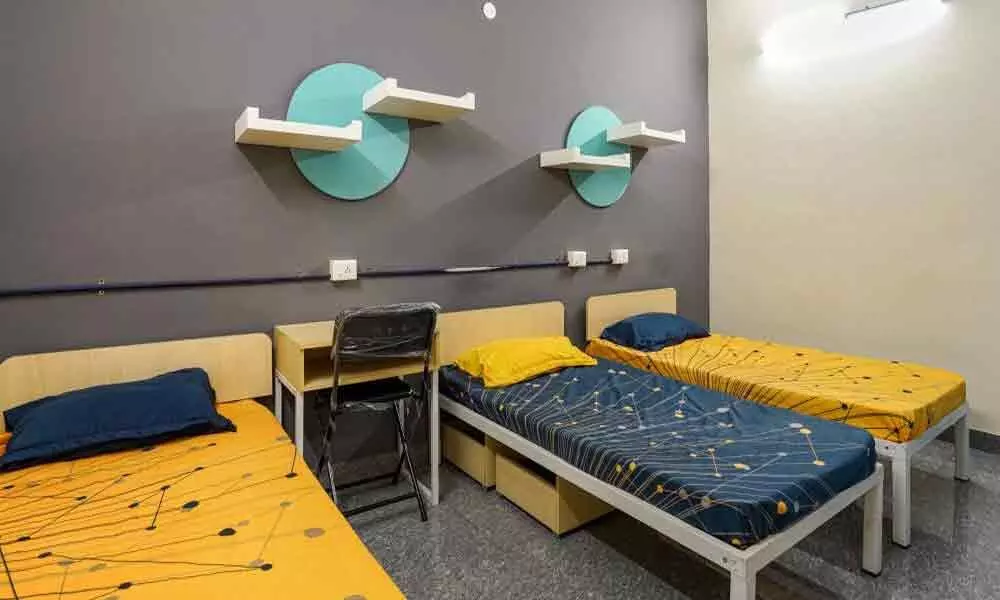
For years, PGs in Pune conjured images of cramped shared rooms, unreliable Wi-Fi during work calls, and canteen-style meals served at fixed hours. The traditional paying guest model worked on a simple premise: trade comfort for affordability, accept restrictions for convenience, and treat accommodation as purely functional. For young professionals relocating to Pune’s IT hubs, this compromise was just part of the deal.
But the landscape has shifted. A new generation of managed living spaces is rewriting what accommodation means for working professionals. They are moving beyond survival-mode housing toward spaces that help build a network of professionals actively supporting career growth, well-being, and lifestyle. For many professionals new to Pune, that sense of everyday community becomes as important as the room itself.
What Traditional PG Living Got Wrong
The old PG model optimized for one thing: packing maximum occupancy into minimum space. Shared rooms meant zero privacy for video calls or focused work. Basic mess food followed rigid schedules that rarely aligned with shift work or late meetings. Common areas were afterthoughts, and amenities like dedicated workspaces or high-speed internet were considered luxuries, not necessities.
The result was that professionals treated PGs as temporary compromises, places to sleep between workdays, not spaces to actually live. The model assumed tenants needed only the bare minimum: a bed, basic meals, and proximity to work. Everything else was a sacrifice.
This worked when most professionals spent 10-12 hours in offices. It breaks down completely in today’s hybrid work environment where your accommodation doubles as your workspace, social hub, and recharge zone.
The Shift: What Modern Accommodation Prioritizes
The past five years have fundamentally changed what young professionals need from housing. Remote and hybrid work models mean your living space directly impacts productivity. Mental health awareness has elevated the importance of community and quality living environments. And a tighter talent market means professionals can and do choose employers and locations based on lifestyle fit.
Modern managed spaces have responded by flipping the script. Instead of “how many beds can we fit?” the question became “what do working professionals actually need to thrive?” The answer includes professional and personal development infrastructure built into the living environment itself. Workshops, peer learning circles, networking meetups, and skill-building sessions are becoming part of the residential experience.
Premium coliving properties like Yukio Coliving in Hinjawadi and Wakad are part of this newer category, designed less as temporary housing and more as lifestyle infrastructure for working professionals. The emphasis isn’t just on bundling meals, housekeeping, and Wi-Fi into one bill. It’s about creating an environment that supports how people actually work today. For young professionals navigating early career growth in cities like Pune, these spaces don’t just provide accommodation; they create informal ecosystems where residents exchange knowledge, collaborate on projects, and learn from peers facing similar challenges.
What to Look for in New-Age PG Spaces
When evaluating fully serviced rentals, ask these questions, as housing isn’t one-size-fits-all. What works for someone in their first job, exploring the city and building a social circle, may not suit someone planning to settle long-term. A shared managed space can make sense early on, while a larger independent rental might feel right later.
Does the space support your work?
- Reliable 100+ Mbps Wi-Fi (not “available” but actually fast)
- Dedicated work zones, separate from sleeping areas
- Power backup during Pune’s frequent outages
Does it fit your lifestyle?
- Meal timings that accommodate shift work or late meetings
- Community events (if you value social connection) or privacy options (if you don’t)
- Flexibility on guests, work-from-home setup, and move-out terms
What’s the true monthly cost?
- Calculate beyond base rent: food, electricity, water, internet, housekeeping, maintenance
- Factor in commute time and cost (a ₹3,000 cheaper option 15 km farther costs more in practice)
- Check for hidden fees: security deposits, brokerage, and “amenity charges”.
Is the location practical?
- Within 5 km of your office for on-site days
- Access to grocery stores, pharmacies, and restaurants (not isolated)
- Safe and well-lit (visit after dark to check)
From Compromise to Comfortable Living
The evolution from traditional PG to coliving & premium serviced rentals isn’t just about better amenities; it’s a fundamental recognition that accommodation shapes productivity, well-being, and career success. Today’s options acknowledge that young professionals aren’t looking for the cheapest bed; they’re looking for spaces that support the lives they’re building.
When evaluating options, focus less on “what am I giving up” and more on “does this setup help me perform at my best?” Here, accommodation becomes more than a monthly expense. It becomes a performance multiplier. The professionals who think carefully about where and how they live aren’t just choosing housing. They’re designing an environment that helps them stay focused, connected, and consistent in the years when momentum matters most.
